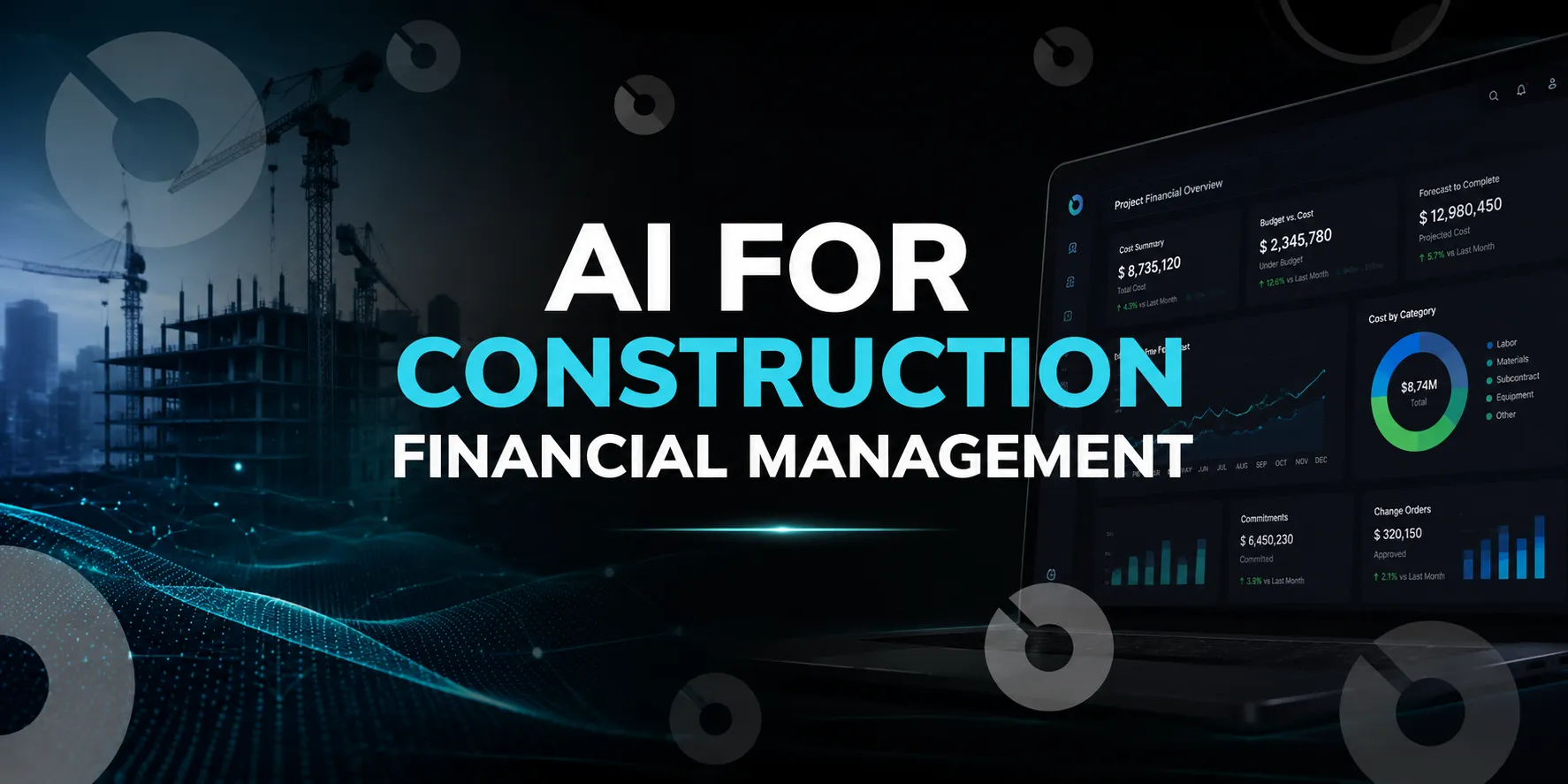
Informative
Best Civil Construction Project Management Software (2026 Guide)
A practical 2026 guide to civil construction project management software—key features, top platforms, and how to choose the right tools for complex infrastructure projects.
Civil construction projects are rarely simple. Roads, utilities, bridges, pipelines and large-scale earthworks involve complex coordination between contractors, engineers, inspectors and public agencies. Unlike vertical construction, civil infrastructure projects often span large geographic areas, involve heavy equipment fleets and require detailed progress tracking over long timelines.
Managing these projects with spreadsheets or generic task management tools quickly becomes difficult. That’s why many contractors rely on civil construction project management software designed specifically for infrastructure and heavy civil workflows.
In this guide, we’ll cover:
- what civil construction project management software does
- the key capabilities civil contractors should look for
- the best project management platforms used in civil construction today
- how these tools connect with estimating and accounting systems
What Is Civil Construction Project Management Software?
Civil construction project management software helps contractors coordinate infrastructure projects from planning through delivery. These platforms centralize project schedules, documentation, budgets and communication so teams can manage complex construction operations more effectively.
Unlike generic project management tools, civil construction management software is designed for infrastructure workflows such as:
- coordinating subcontractors and engineering teams
- managing large volumes of drawings and documents
- tracking progress across multiple sites
- monitoring project budgets and commitments
- generating compliance and reporting documentation
By bringing these workflows into one system, civil project management software improves coordination between field teams, project managers and stakeholders.
Key Features Civil Contractors Should Look For
When evaluating civil engineering project management software, contractors typically prioritize several capabilities.
Project scheduling and coordination
Civil infrastructure projects involve multiple phases and dependencies. Scheduling tools help teams coordinate work across contractors, crews, and suppliers while keeping project timelines on track.
Document and drawing management
Infrastructure projects generate large numbers of drawings, permits, and regulatory documents. Centralized document management ensures teams always work from the most current information.
Progress tracking and reporting
Civil construction reporting software helps teams track milestones, generate progress reports, and communicate updates to stakeholders such as municipalities or infrastructure authorities.
Budget visibility and cost tracking
Project managers need visibility into budgets, commitments, and cost forecasts. Integration with accounting systems allows project teams to monitor financial performance in real time.
Cross-project oversight
Large contractors often manage multiple infrastructure projects simultaneously. Some organizations use oversight platforms like INGENIOUS.BUILD to monitor budgets, commitments, and project performance across their entire portfolio.
Best Civil Construction Project Management Software
The following platforms are commonly used by civil contractors to coordinate infrastructure projects and manage project execution.
1. INGENIOUS.BUILD
INGENIOUS.BUILD provides structured project oversight for construction teams managing complex projects and portfolios. The platform focuses on improving visibility into budgets, commitments and project performance while keeping teams aligned across the project lifecycle.
Key strengths include:
- centralized project documentation and workflows
- visibility into budgets and financial commitments
- coordination between project teams and stakeholders
- portfolio-level reporting across multiple projects
For organizations managing large infrastructure programs, oversight platforms like INGENIOUS.BUILD help maintain financial and operational transparency.
2. Procore
Procore is one of the most widely used construction management platforms in the industry. It supports project coordination, document management and communication across contractors and project stakeholders.
Civil contractors often use Procore for:
- field collaboration
- document control
- project communication
- progress tracking
However, many firms complement Procore with other systems for estimating or financial oversight.
3. Autodesk Construction Cloud
Autodesk Construction Cloud integrates project management tools with BIM and design workflows. It is particularly useful for projects where engineering coordination and digital design models play a significant role.
Key capabilities include:
- design collaboration
- document management
- project coordination tools
- construction reporting workflows
4. Fieldwire
Fieldwire focuses on field coordination and task management for construction teams. It helps site teams track tasks, manage punch lists, and communicate updates from the field.
Civil contractors use Fieldwire for:
- field task management
- punch list tracking
- site coordination
- mobile access for field crews
5. Buildertrend
Buildertrend is commonly used by residential contractors but can also support certain civil contractors managing smaller infrastructure projects.
Key capabilities include:
- scheduling tools
- document management
- communication workflows
- project tracking dashboards
How Project Management Software Connects With Estimating and Accounting
Civil construction software rarely operates as a single system. Most contractors rely on multiple tools connected through integrations.
A typical civil construction technology stack may include:
- estimating software for bid preparation
- project management platforms for coordination and documentation
- accounting systems for job cost tracking and financial reporting
When these systems are connected, project budgets created during estimating can flow into project execution, while accounting systems track financial performance.
Some contractors also use oversight platforms such as INGENIOUS.BUILD to provide portfolio-level visibility across projects while financial transactions remain in accounting systems.
Choosing the Right Civil Construction Project Management Software
The best software for civil construction firms depends on how projects are structured and managed.
Key considerations include:
- project size and complexity
- the number of contractors and stakeholders involved
- reporting and compliance requirements
- integration with estimating and accounting tools
In practice, most civil contractors rely on a combination of systems rather than a single platform. Project management software coordinates execution, estimating tools support bidding, and accounting systems track financial performance.
Choosing platforms that integrate well with each other helps create a more connected construction technology ecosystem.
Final Thoughts
Civil infrastructure projects involve complex coordination, detailed reporting, and long construction timelines. The right project management software helps contractors manage these challenges by improving collaboration, visibility, and decision-making.
As civil construction projects continue to grow in scale and complexity, contractors increasingly rely on digital platforms to coordinate teams, track progress, and monitor project performance.
For organizations managing multiple projects or large infrastructure programs, platforms like INGENIOUS.BUILD provide additional oversight by connecting project coordination with financial visibility across the entire project portfolio - book a demo to see for yourself!.
FAQ: Civil Construction Project Management Software
What software do civil contractors use to manage infrastructure projects?
Civil contractors typically use project management platforms designed for infrastructure workflows. These tools help coordinate schedules, contractors, documentation and reporting across projects such as roads, utilities, and bridges.
What is the difference between civil construction software and general construction software?
Civil construction software focuses on infrastructure projects that involve heavy equipment, large material volumes and public works reporting requirements. General construction software is usually designed for building projects such as commercial or residential construction.
Can civil construction software integrate with accounting systems?
Yes. Many civil construction platforms integrate with accounting systems so job costs, invoices and financial data remain aligned with project activity.